Infrastructure that stays predictable, with the people who built it on call
For teams that need their product deployed, observed and kept running without hiring a platform team. We work across AWS, Google Cloud, Azure, Fly.io, Vercel, Netlify and Cloudflare, keep the bill explainable, and hand over runbooks a new engineer can follow.
Talk to us if
- Deploys are a person, not a pipeline, and that person is on leave.
- Your cloud bill goes up every month and nobody can explain which line.
- Something goes down at the same time every week and nobody is paged.
- You have backups and have never tested a restore.
- A customer's security questionnaire has arrived and nobody can answer it.
- Your product is on one provider and one region, and that is now a business risk.
Who this is for
- A product team with no platform engineer and no budget for one
- A company whose cloud spend nobody can account for
- A team that has outgrown a single server or a single region
- A business whose first enterprise customer is asking about uptime and security
What we build
Cloud architecture and migration
The right provider for the workload, sized for what you actually run, with the cost modelled before anything moves.
- Architecture on AWS, Google Cloud and Microsoft Azure
- Application platforms: Fly.io, Vercel, Netlify, Render and Railway
- Edge and network: Cloudflare, Amazon CloudFront and Cloudflare Workers
- Cost-effective compute on DigitalOcean and Hetzner where the workload suits it
- Region and availability-zone strategy, with a written failover position
- Migration between providers with a rollback path at every step
Infrastructure as code
Environments that are reproducible, reviewable and destroyable, rather than clicked into being and remembered.
- Terraform and Pulumi for provisioning, with remote state and locking
- CloudFormation and Ansible where an existing estate requires them
- Identical development, staging and production environments from one definition
- Secrets in a managed store, never in code or a shared document
- Drift detection, so reality and the repository stay the same thing
CI/CD and release engineering
Shipping should be boring, frequent and reversible.
- Pipelines on GitHub Actions, GitLab CI and Azure Pipelines
- Preview environments per pull request, torn down automatically
- Database migrations that run safely alongside a rolling deploy
- Blue-green and canary releases, with an automated rollback trigger
- Feature flags, so a release and a launch are separate decisions
- Supply-chain checks: dependency scanning, lockfile policy and signed builds
Containers, orchestration and runtime
As much orchestration as the workload needs, and no more.
- Docker images built small, reproducibly and without secrets baked in
- Kubernetes on Amazon EKS, Google GKE and Azure AKS
- Fly Machines and managed container runtimes for smaller estates
- Serverless functions and scheduled jobs where they genuinely fit
- Autoscaling policies tied to the metric that actually predicts load
Observability and on-call
Knowing something is wrong before a customer tells you, and knowing where.
- OpenTelemetry instrumentation for traces, metrics and logs
- Prometheus, Grafana and Loki for self-hosted estates
- Datadog, Sentry, Better Stack and cloud-native monitors where they fit
- Service level objectives and error budgets agreed with you, not invented
- Alerts routed to a person, with runbook links attached
- An on-call rota, a severity policy and post-incident notes you can read
Data, backup and disaster recovery
Backups you have restored are the only backups you have.
- PostgreSQL, Redis and object-storage operations, including upgrades
- Point-in-time recovery, with restores tested on a schedule
- Recovery point and recovery time objectives agreed and measured
- Replication and read-replica strategy for growth
- A disaster-recovery runbook rehearsed at least once before you need it
Security and compliance readiness
The groundwork that turns an enterprise questionnaire from a crisis into an afternoon.
- Least-privilege access, role separation and short-lived credentials
- Secrets management, rotation and audit logging
- Web application firewall, DDoS protection and rate limiting
- Vulnerability scanning across dependencies, images and infrastructure
- Evidence and control groundwork for SOC 2 and ISO 27001 programmes
Cost engineering
A bill you can read, attributed to the things that caused it.
- Tagging and attribution, so spend maps to a team or a customer
- Rightsizing, scheduling and storage-tier review
- Egress and data-transfer reduction, often the largest surprise
- Commitment and savings-plan analysis before you commit
- A monthly cost report with recommendations, not just a number
What you get
- An audit of the current estate with risks ranked and priced
- Infrastructure as code, with identical environments from one definition
- Deployment pipelines with preview environments and automated rollback
- Monitoring, alerting, an on-call rota and a severity policy
- Tested backups, a disaster-recovery runbook and a monthly cost report
What you gain
- Deploys that anyone on the team can run, and undo
- A page that reaches a person before a customer does
- A restore you have actually performed, on a date you can name
- A monthly bill you can explain line by line
How the engagement runs
Audit
What you run, what it costs, what is fragile and what would hurt most if it failed.
Stabilise
The risks worth fixing first: backups, alerts, access and the single points of failure.
Automate
Infrastructure as code, pipelines, preview environments and rollback.
Run and report
On-call, service level objectives and a monthly report on uptime, incidents and cost.
Technology we work with
- Cloud providers
- Amazon Web Services
- Google Cloud Platform
- Microsoft Azure
- Cloudflare
- DigitalOcean
- Hetzner
- Application platforms
- Fly.io
- Vercel
- Netlify
- Render
- Railway
- Infrastructure as code
- Terraform
- Pulumi
- AWS CloudFormation
- Ansible
- CI/CD
- GitHub Actions
- GitLab CI
- Azure Pipelines
- Jenkins
- Containers and orchestration
- Docker
- Kubernetes
- Amazon EKS
- Google GKE
- Azure AKS
- Fly Machines
- Observability
- OpenTelemetry
- Prometheus
- Grafana
- Loki
- Datadog
- Sentry
- Better Stack
- Amazon CloudWatch
- Data and storage
- PostgreSQL
- Redis
- Amazon S3
- Cloudflare R2
- Google Cloud Storage
- Security
- Cloudflare WAF
- AWS IAM and Secrets Manager
- HashiCorp Vault
- Dependabot and Trivy
Related work
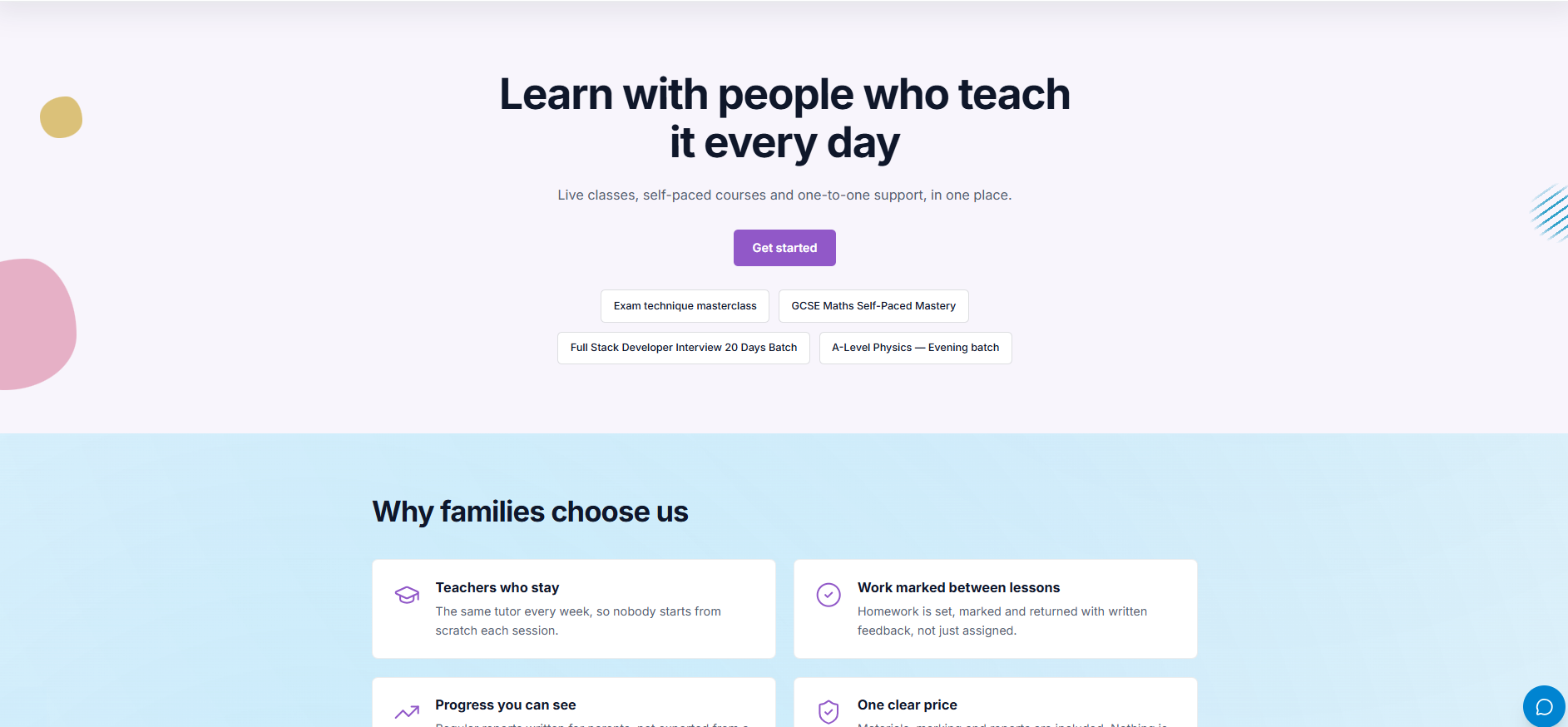
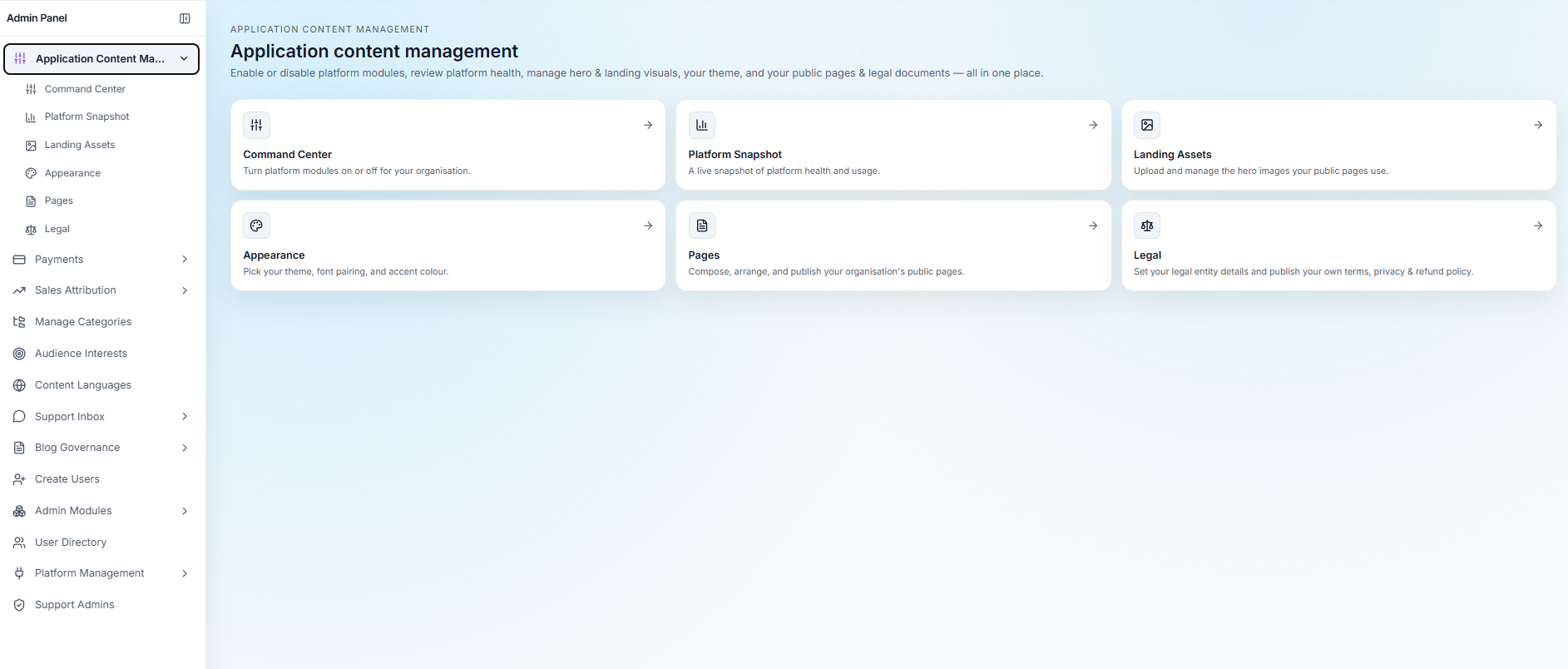
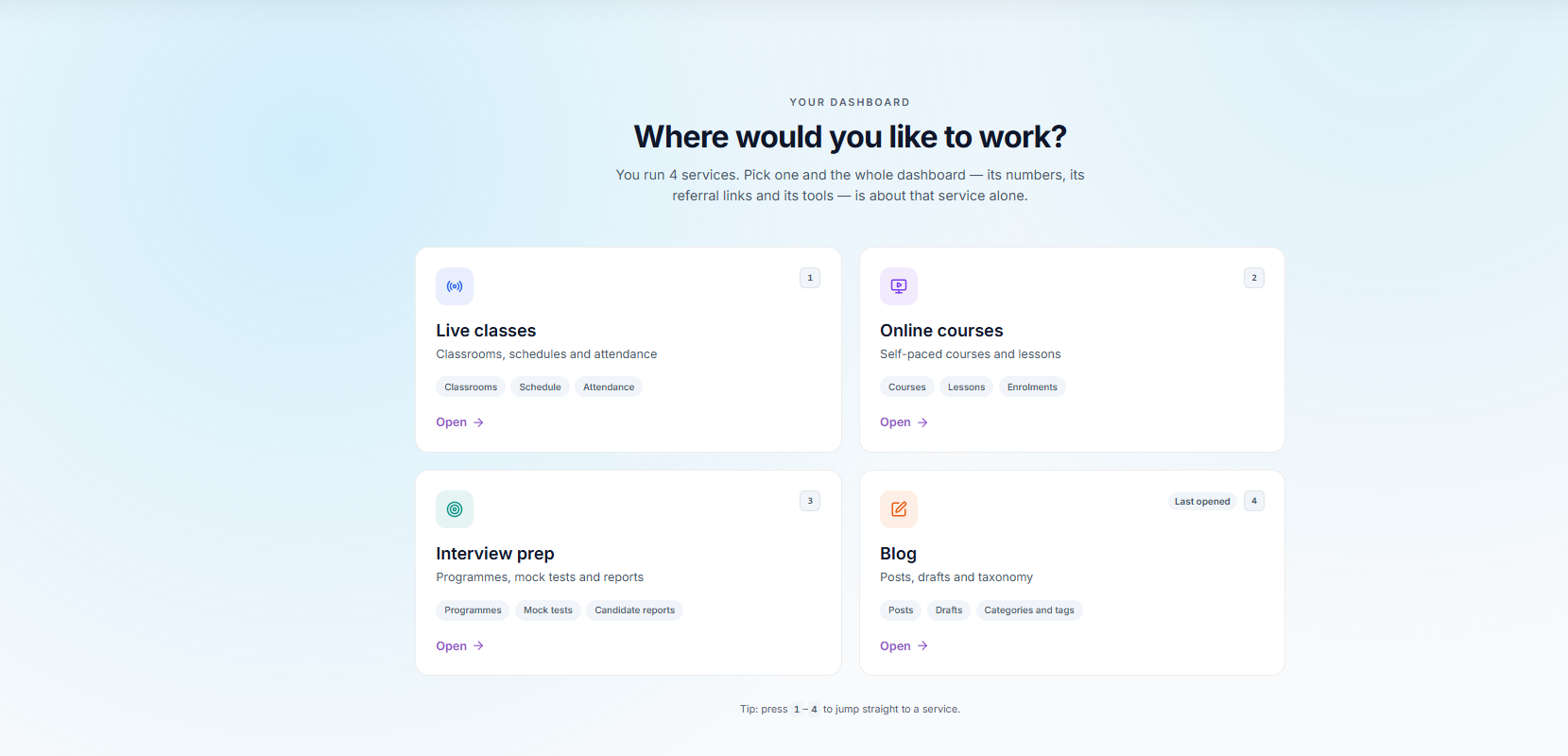
Building Jversity: a multi-tenant educational LMS platform
Live classes, courses, interview preparation, blogs, video recordings and much more built and operated by us as our own product.
Questions we get asked
Do you require a specific cloud provider?
No. We have strong defaults and will explain them, but we build in your accounts on the provider that fits your constraints, your team and your customers' data-residency requirements.
What does on-call actually cover?
Production incidents on systems we operate, under a written severity policy, with post-incident notes you can read. We agree the hours and the response targets before we start.
Do we need Kubernetes?
Usually not. Most products we see run better and cheaper on a managed application platform. We recommend Kubernetes when the workload genuinely calls for it, and say so plainly when it does not.
Can you help with a security questionnaire or a SOC 2 programme?
We do the engineering groundwork: access control, secrets, logging, backup evidence and scanning. The audit itself is run by a licensed firm, and we prepare the evidence they will ask for.
Will our costs actually go down?
Often, but we do not promise a number before the audit. What we do commit to is a bill you can read, attributed to the things that caused it, with the biggest savings ranked by effort.
What does success look like for your project?
Tell us what you are building and where it is stuck. We reply within one business day with a straight answer on fit, approach and cost.